




Tucked between the rugged peaks and glacier-fed rivers of southeastern British Columbia, the Kootenay region is a place where history feels alive. Its towns and BC heritage sites preserve the stories of mountain pioneers, railway visionaries, and resilient communities that flourished in the heart of the Rockies. From restored streetscapes to immersive museum exhibits, the Kootenays invite visitors to experience the spirit of exploration, industry, and culture that shaped this remarkable part of BC.
The heritage destinations of the Kootenays capture the essence of a region built on exploration, ingenuity, and determination. From Fernie’s mountain mining roots to Cranbrook’s rail-era elegance and Fort Steele’s frontier charm, each site offers a distinct window into the people and forces that shaped southeastern British Columbia. Together, these Kootenay museums tell a collective story of resilience in the face of change, of communities born from industry and adventure, and of a landscape that continues to inspire those who call it home.
Fernie Museum
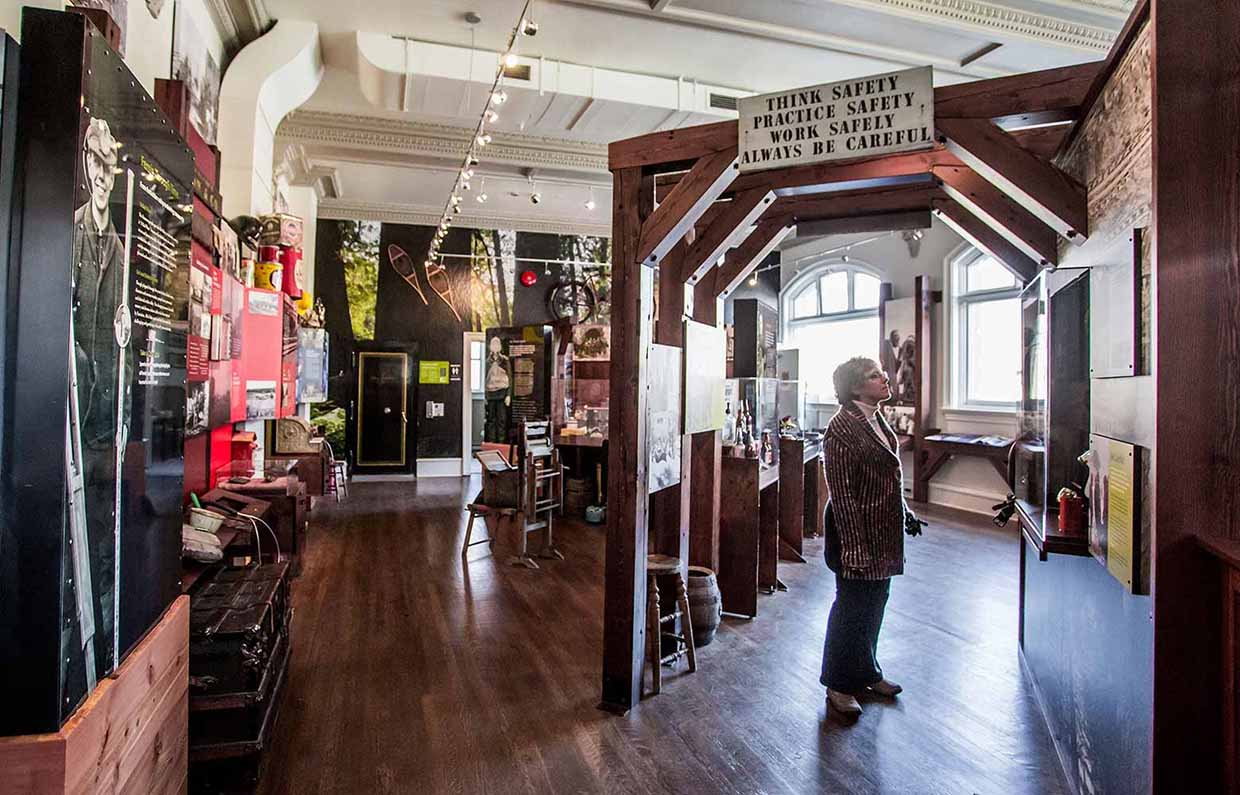
Location: 491 2nd Avenue, Fernie
The Fernie Museum offers a captivating look at the triumphs and challenges that shaped this mountain town. Exhibits trace Fernie’s evolution from a rugged coal mining settlement to the vibrant community it is today, celebrating the resilience of its residents through times of adversity.
Highlights: The museum’s permanent exhibition, This Is Our Fernie, takes visitors through defining moments like the Great Fire of 1908, which destroyed much of the town yet sparked a remarkable rebuild that gave Fernie its distinctive brick architecture. Beyond its historical displays, the museum also hosts rotating art and cultural exhibits that highlight the creative energy of the Elk Valley.
Why Visit: The museum’s programming explores themes of immigration, labour, and the town’s close connection to the surrounding wilderness, offering both locals and visitors a deeper understanding of Fernie’s enduring character. For those exploring the town, the museum also curates heritage walking tours, guiding guests through Fernie’s historic downtown, a National Historic District, where each building and street corner tells its own story.
Perfect for: History enthusiasts and families visiting year-round, with heritage walking tours ideal for summer and fall exploration of the historic downtown.
Cranbrook History Centre
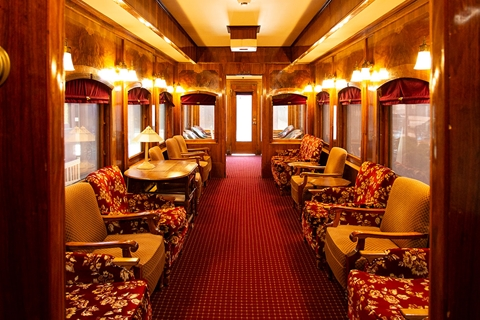
Location: 57 Van Horne Street South, Cranbrook
At the heart of the East Kootenays, the Cranbrook History Centre stands as a monument to the age of rail travel that connected Canada’s remote regions and defined its early growth. The centre’s crown jewel is its world-renowned collection of restored Canadian Pacific Railway passenger cars, including the legendary “Trans-Canada Limited”, a luxury train that once carried Canada’s elite in style and comfort across the country.
Highlights: Stepping inside these railcars feels like travelling back to the 1920s, with their intricate woodwork, plush velvet seating, and elegant dining rooms meticulously preserved. Guided tours bring to life the stories of passengers, porters, and the railway workers who helped unite the nation by rail.
Why Visit: Beyond the trains, the museum delves into the rich history of Cranbrook and the surrounding East Kootenay region through exhibits on early settlement, natural history, and community life. Visitors can also explore the model railway gallery, geological displays, and a collection of rare photographs documenting the growth of the region. Combining architectural grandeur, immersive storytelling, and expert curation, the Cranbrook History Centre offers one of the most comprehensive heritage experiences in the interior of BC.
Perfect for: Railway enthusiasts and families with children who love trains, best visited year-round with special appeal during the winter holiday season.
Fort Steele Heritage Town

Location: 9851 Highway 93/95, Fort Steele
A short drive north of Cranbrook brings you to Fort Steele Heritage Town, one of British Columbia’s largest and most beloved living history sites. Originally a bustling gold rush community founded in the 1860s, Fort Steele flourished during the mining boom and later declined when the railway bypassed it, a twist of fate that helped preserve its 19th-century character. Today, the town has been carefully restored to reflect its Victorian-era roots, offering an immersive glimpse into frontier life.
Highlights: Visitors can wander through more than 60 historic buildings, from blacksmith forges and general stores to homesteads and hotels, each furnished to reflect daily life in the late 1800s. Costumed interpreters bring authenticity and warmth to the experience, sharing stories, trades, and demonstrations, from traditional baking to blacksmithing and horse care. Horse-drawn wagon rides offer a leisurely tour of the grounds, while live performances at the Wild Horse Theatre and seasonal events bring the community’s heritage to life in vibrant ways.
Why Visit: The site also features a working farm, historic railway, and interpretive programs for all ages, making it a perfect destination for families, history enthusiasts, and anyone seeking to experience the Kootenays’ pioneering past firsthand. With its breathtaking mountain backdrop and engaging atmosphere, Fort Steele truly feels like stepping into another era.
Perfect for: Families with children and history buffs, best experienced during the summer season when all buildings are open and costumed interpreters bring the town to life with daily demonstrations and performances.
Revelstoke Museum & Archives

Location: 315 1st Street West, Revelstoke
The Revelstoke Museum & Archives, housed in a beautiful 1911 heritage building, tells the story of a mountain community shaped by the Canadian Pacific Railway and outdoor adventure. From exhibits on avalanche science to the lives of early railway workers and mountaineers, the museum captures the pioneering spirit that defines Revelstoke’s place in BC’s history.
Highlights: Visitors can delve into fascinating displays on avalanche science, an essential topic in one of North America’s most avalanche-prone regions, as well as the stories of railway workers, mountaineers, and entrepreneurs who braved the mountains to build a future here. Artifacts, archival photographs, and personal accounts bring to life both the hardships and triumphs of life in this dynamic corner of the Columbia Mountains.
Why Visit: Beyond its historical collections, the museum celebrates Revelstoke’s pioneering role in mountain culture and outdoor recreation. Exhibits highlight the town’s legacy as a centre for mountaineering, skiing, and environmental stewardship, connecting its adventurous past to the thriving alpine community it remains today. With its blend of storytelling, research, and community pride, the Revelstoke Museum & Archives offers an engaging glimpse into the heart and heritage of one of BC’s most spirited mountain towns.
Perfect for: Outdoor enthusiasts and skiers seeking to understand the mountain culture that shaped Revelstoke, compelling year-round with special resonance during the winter ski season.
Trail Museum & Archives
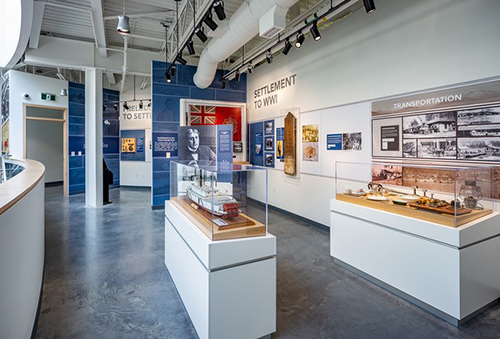
Location: 1051 Victoria Street, Trail (inside Trail Riverfront Centre)
In the heart of the Kootenay Boundary region, the Trail Museum & Archives celebrates the city’s industrial and cultural past. Located inside the Trail Riverfront Centre, the museum explores the evolution of the smelter town, its vibrant immigrant communities, and the technological innovations that helped shape the area. Interactive exhibits make local history engaging for all ages.
Highlights: Visitors can explore exhibits on the Trail Smelter, one of the world’s most significant lead-zinc smelting operations, and learn how it shaped both the local economy and the global industrial landscape. Displays on immigrant communities, including Italian, Slovenian, and Croatian settlers, highlight the multicultural roots that built Trail’s identity, from sports to festivals to cuisine.
Why Visit: Interactive displays, historic photographs, and personal stories bring the city’s past to life, making local history engaging for all ages. The museum also features rotating exhibits, educational programming, and walking tour guides that connect visitors to the city’s historic landmarks, allowing them to experience how industry, innovation, and community spirit have defined Trail for more than a century.
Perfect for: Those interested in industrial heritage and multicultural history, accessible year-round with interactive exhibits that engage visitors of all ages.
The Nelson Museum, Archives & Gallery
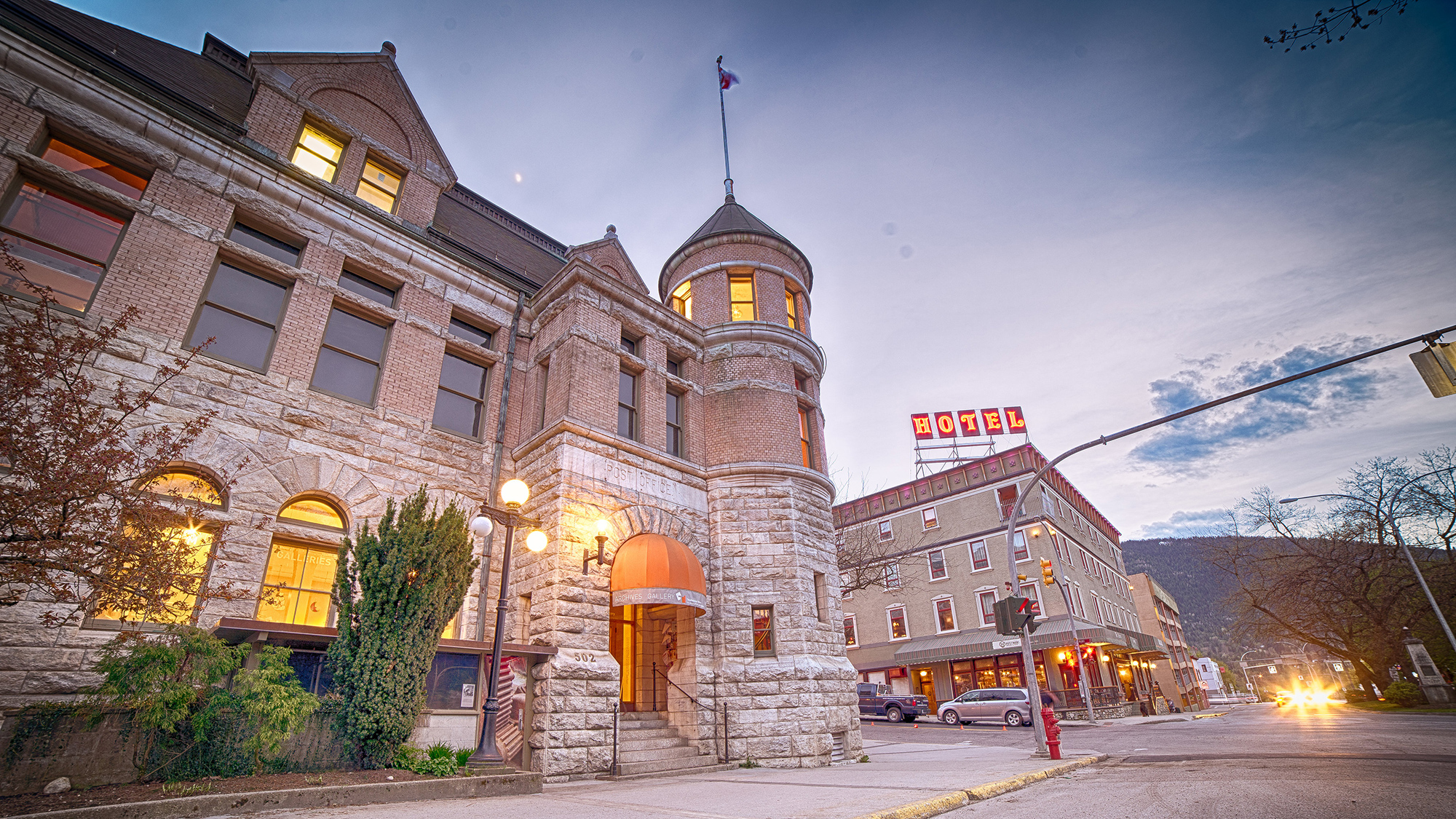
Location: 502 Vernon Street, Nelson
Nestled in the artistic mountain town of Nelson, the Nelson Museum, Archives & Gallery blends art, history, and community storytelling. The museum showcases exhibits on the region’s mining heritage, the Doukhobor settlement, and the growth of Nelson’s creative culture. The adjoining gallery presents rotating contemporary art exhibitions, bridging the past and present through thoughtful curation.
Highlights: Inside, visitors can explore engaging exhibits that trace the region’s mining heritage, the arrival and influence of the Doukhobor community, and the evolution of Nelson from a frontier town to one of British Columbia’s most vibrant creative centers. Archival displays offer insight into the daily lives of early settlers, while multimedia exhibits capture pivotal moments in the area’s social and economic development.
Why Visit: The adjoining gallery space features rotating contemporary art exhibitions that highlight both local and regional artists, fostering dialogue between the past and present. Through its thoughtful curation, community programs, and artist talks, the museum bridges heritage with innovation, making it a cornerstone of Nelson’s ongoing story as a place where history and creativity flourish side by side.
Perfect for: Art lovers and cultural explorers visiting year-round, with rotating gallery exhibitions offering fresh experiences throughout the seasons.
Practical Tips for Visiting Kootenay Museums
Plan for seasonal variations. Fort Steele Heritage Town operates with reduced hours and fewer buildings open during the off-season, making summer the ideal time for the full living history experience. Most other Kootenay museums remain open year-round, though it’s always wise to check individual websites for current hours and any seasonal closures.
Allow time to explore the towns. Many of these heritage destinations are located in communities worth exploring beyond the museum walls. Fernie’s National Historic District, Nelson’s vibrant arts scene, and Cranbrook’s heritage architecture all complement your museum visits and offer dining, shopping, and photography opportunities.
Consider a heritage road trip. The Kootenay region’s museums are connected by scenic mountain highways that make for an excellent multi-day cultural journey. Highway 93/95 links Cranbrook and Fort Steele, while Highway 3 connects Trail, Nelson, and Fernie, offering dramatic mountain views between destinations.
Check for special events and programs. Many sites offer guided tours, heritage walks, seasonal festivals, and educational programming that enhance the visitor experience. The Fernie Museum’s walking tours and Fort Steele’s theatrical performances provide deeper engagement with local history.
Prepare for mountain weather. The Kootenays experience true four-season mountain climate. Summer visitors should pack layers for variable temperatures, while winter travellers need to be prepared for snow and check road conditions, especially when travelling between towns on mountain highways.
Visiting these Kootenay museums and heritage sites isn’t just about revisiting history, it’s about experiencing it. The region’s living heritage invites travellers to slow down, listen, and connect with the spirit of a place where the past still echoes through every mountain pass and historic street.
